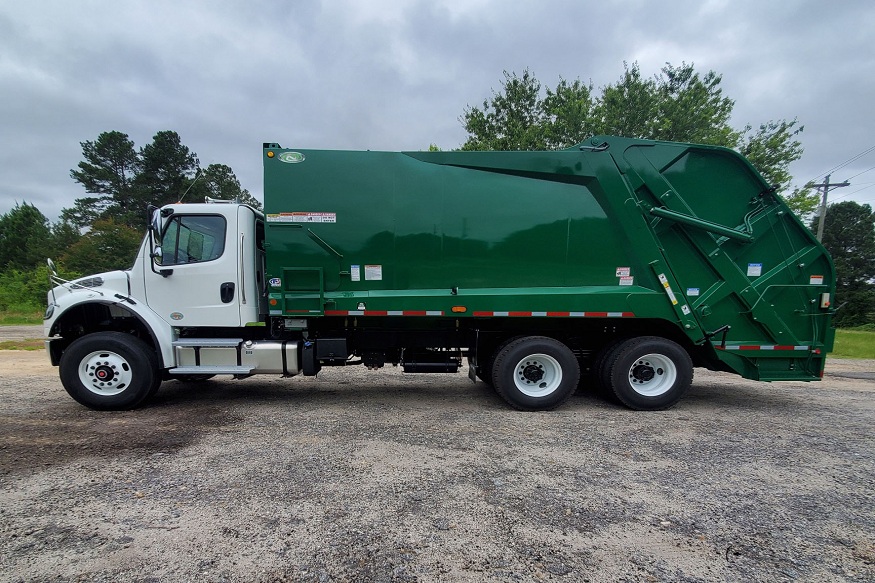
Rear loader trucks are a cornerstone of modern waste management systems, providing reliable and efficient collection solutions for municipalities, private contractors, and industrial operations. Their versatility, durability, and efficiency make them suitable for a wide range of applications in urban, suburban, and industrial environments.
Residential Waste Collection
One of the primary applications of rear loader trucks is residential waste collection. These trucks can handle household trash, recyclables, and organic waste efficiently. Their rear-loading design allows crews to manually deposit bags or bins, making them ideal for neighborhoods with varying bin types or irregular waste streams. Compact models are particularly effective in narrow streets and older urban areas.
Read More:AI in Medical Manufacturing: Advancing Reliability Through Intelligent Integration
Commercial and Retail Waste Collection
Rear loader trucks are also widely used for commercial and retail waste collection. They can handle larger volumes of waste from shops, restaurants, offices, and small warehouses. Their strong hydraulic compaction system ensures that high-density commercial waste is compressed efficiently, reducing the number of trips to disposal sites and lowering operational costs.
Industrial and Heavy Waste Management
For industrial sites and construction projects, rear loader trucks provide a reliable solution for heavy and bulky waste. Their durable chassis, reinforced storage body, and high-capacity hydraulic compaction system make them capable of handling construction debris, packaging waste, and industrial refuse. This versatility allows operators to manage heavier materials safely and efficiently.
Bulky Item Pickup
Many municipalities use rear loader trucks for the collection of bulky items such as furniture, appliances, and yard waste. Unlike automated side loaders that require standardized bins, rear loaders allow manual loading of oversized objects. This makes them indispensable for special waste collection days or community clean-up programs.
Recycling Collection
Rear loader trucks are increasingly used in mixed recycling programs. With separate compartments or planned routes, these trucks can collect paper, plastics, metals, and other recyclable materials efficiently. Hydraulic compaction ensures that even recyclable waste occupies minimal space, increasing the efficiency of each trip to recycling facilities.
Municipal Street Cleaning Support
Some cities utilize rear loader trucks to support municipal street cleaning operations. They can be used to collect debris, leaves, and other materials from street sweepers, parks, and public areas. Their flexibility in handling diverse waste streams makes them suitable for supporting a variety of sanitation tasks beyond standard household collection.
Emergency and Seasonal Waste Collection
Rear loader trucks are valuable for emergency waste management, such as post-storm debris collection or seasonal leaf pickup. Their robust design, high load capacity, and adaptability to varied waste types allow crews to respond quickly and maintain clean and safe environments during unusual events or seasonal waste surges.
Integration with Modern Fleet Management
Rear loader trucks are compatible with modern fleet management technologies. GPS tracking, route optimization software, and telematics can be integrated to monitor fuel efficiency, performance, and maintenance needs. This ensures that waste management operations are optimized, reducing costs and improving service quality.
Cost-Effective Municipal Operations
The versatility and durability of rear loader trucks make them cost-effective for municipal waste management programs. Lower maintenance requirements, long service life, and high load capacity reduce total cost of ownership while ensuring reliable daily operations across diverse waste collection applications.
Read More:Asphalt Paving Utah: Preparing Your Driveway or Parking Lot
Conclusion
Rear loader trucks serve multiple applications in waste management, including residential, commercial, industrial, recycling, bulky waste, and emergency collection. Their durability, high compaction capabilities, and adaptability make them an essential tool for efficient and cost-effective waste collection. Municipalities and private operators benefit from their reliability, operational flexibility, and long-term performance across a wide range of waste management scenarios.