
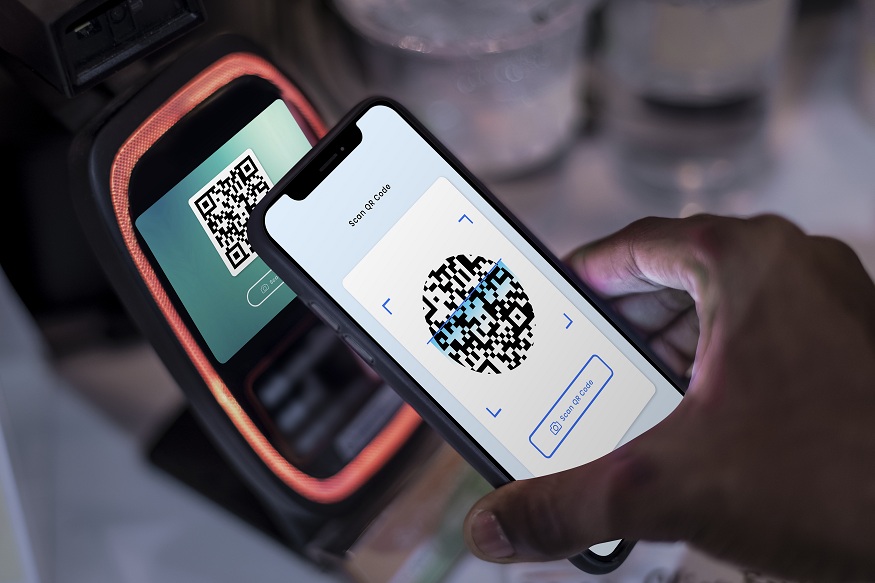
In recent years, the digital payments landscape in India has experienced a revolutionary transformation. At the core of this upheaval is the rise of UPI apps, which have rapidly shifted from being mere downloads to becoming indispensable tools on every smartphone. This change is not just a fleeting trend but a seismic shift in how Indians think about and perform monetary transactions. But how did we get here, and what makes these apps so essential in daily life?
The Digital Payment Revolution: A New Era
In a country known for its affection for cash transactions, the rise of digital payment systems has been nothing short of extraordinary. The catalyst for this change was the introduction of the Unified Payments Interface (UPI) by the National Payments Corporation of India (NPCI) in 2016. Designed to facilitate seamless money transfers across different banks and platforms, UPI rapidly gained traction for its simplicity and effectiveness.
Key Benefits of UPI Apps
- Seamless Transactions: UPI apps allow users to transfer money 24/7 between different bank accounts without the need to enter bank details each time.
- Instant Payments: Gone are the days of waiting for NEFT transactions. UPI enables instant transfers, making it ideal for all kinds of payments, from large transactions to splitting a dinner bill.
- User-Friendly Interface: The intuitive design of most UPI apps has made them accessible to all, regardless of tech-savviness.
From Initial UPI App Download to Becoming Indispensable
When UPI was first introduced, the concept was foreign to many. However, the mere convenience of transferring money with just a virtual address or mobile number quickly caught on. What originally was just another app download soon evolved into daily utility.
The Role of UPI in Cashless India
The vision of a ‘Cashless India’ received unprecedented momentum with several government-led initiatives. The demonetisation of ₹500 and ₹1000 notes in November 2016 forced many into the digital ecosystem. This was a pivotal moment for UPI apps as they offered a reliable alternative for conducting transactions without physical cash.
Real-world Analogy: Just like how smartphones have moved beyond being communication devices to becoming our personal organisers, UPI apps have transcended their initial purpose to become a core component of personal finance.
The Proliferation of UPI Apps
It’s fascinating how UPI app downloads surged post-demonetisation. Companies like PhonePe, Google Pay, and Paytm capitalised on this momentum by offering innovative features to suit the diverse needs of the Indian population. In fact, according to NPCI, UPI transactions crossed 8 billion in a single month in 2022.**
Why Indians Can’t Do Without UPI Apps
Security and Trust
Every UPI app employs cutting-edge encryption methods, ensuring user data remains secure. Furthermore, as they are regulated by the Reserve Bank of India (RBI), they evoke more trust compared to other online payment platforms.
Convenience at Its Peak
The immediate allure lies in their convenience. Whether paying utility bills, booking a cab, or buying groceries, UPI apps simplify these tasks, eliminating the old-fashioned need for cash or cards.
Rewards and Offers
To encourage UPI app download and use, many platforms offer cashback and discounts. These perks have created a win-win scenario: users benefit financially, and platforms increase their user base.
How UPI Apps Foster Financial Inclusion
India’s vast population includes many who are underbanked or unbanked. For them, traditional banking services can be out of reach. UPI apps have narrowed this gap, making it easier for rural and semi-urban populations to participate in the formal financial system.
Real-world Impact: A Case Study
Consider the story of Neha, a small-business owner from a tier-2 city. Earlier, her transactions were primarily cash-based. But the incorporation of UPI apps has allowed her to manage finances more efficiently, accept digital payments from customers, and even pay her suppliers instantly. Stories like Neha’s are commonplace in today’s India.
Challenges and the Road Ahead
While UPI apps have fundamentally transformed financial transactions, challenges remain. One of them is digital literacy. Despite increased smartphone penetration, a section of the population still struggles with digital payments. Moreover, cybersecurity threats continue to loom, necessitating regular updates and awareness campaigns.
Embracing the Future
For UPI to retain its ubiquity, ongoing innovation is crucial. Collaborations between fintech companies and banks will be key in providing users with even more seamless experiences. The potential integration with emerging technologies like blockchain might introduce novel features that could redefine secure payments.
Conclusion: The UPI Era
The transformation from simple UPI app downloads to their current status as everyday essentials is a testament to their profound impact on our lives. As more Indians crave efficiency and security in their financial dealings, the relevance of UPI apps is expected to grow exponentially.
In essence, UPI has not only simplified payments but has also played a significant role in driving India towards a digital future. As we continue to adapt and innovate, these apps will undoubtedly be central to our financial ecosystem.
The next time you reach for your phone to make a payment, pause for a moment to appreciate the technology that has simplified an otherwise cumbersome process. Who knows? The UPI app you use today might soon introduce features that seem unimaginable at the moment, further cementing its place in our daily lives.